The Beauty of Todra Gorge, Morocco’s Natural Masterpiece
Morocco is a land where ancient traditions meet untamed landscapes, and where every corner tells a story. From the lively souks of Marrakech, filled with spices to the serene beaches of Essaouira, the country never ceases to amaze. Yet beyond the cities lies a world of natural wonders that reveal the soul of the country. The golden dunes of the Sahara Desert and the snow-capped peaks of the Atlas Mountains are just two examples of Morocco’s incredible diversity. Among these wonders stands one of the most spectacular geological formations in North Africa — the Todra Gorge.
What Are the Todra Gorges?
The Todra Gorge (sometimes spelled Todgha Gorge) is a magnificent canyon carved through the eastern edge of the High Atlas Mountains in central Morocco. It is the result of thousands of years of natural erosion by the Todra River, which once flowed powerfully through the limestone rock, slicing its way deeper and deeper into the mountain range. Over time, the relentless movement of water, wind, and sand sculpted a corridor of towering cliffs.
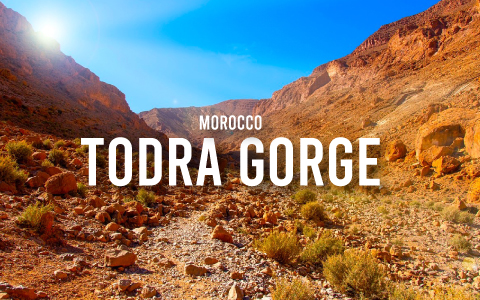
Today, the gorge presents an almost surreal sight. At its narrowest point, the canyon is just a few meters wide, while its vertical walls rise dramatically up to 300 meters (nearly 1,000 feet) on either side. The rock surfaces gleam in shades of orange, gold, and red, constantly shifting with the changing light of the sun. When you stand at the bottom of the gorge, surrounded by stone walls that seem to touch the sky, you feel an almost cathedral-like sense of awe.
In spring and after occasional rains, a thin stream of water still flows through the canyon floor, glimmering against smooth rocks. During the dry season, the riverbed becomes a path where visitors can walk between the cliffs, surrounded by the gentle echo of footsteps and the occasional breeze funneled through the gorge’s narrow opening.
What to See When Visiting the Todra Gorge
Even though it’s only a few kilometers long, each section of the canyon offers a new perspective, color, and texture.
The Narrow Passage
The most famous part of the gorge is its tightest section, where the rock walls nearly meet above your head. It’s an extraordinary spot for photography since the interplay of light and shadow creates a mesmerizing natural theater throughout the day.
The Vertical Cliffs
The sheer limestone faces are smooth, polished by centuries of erosion, and tinted in fiery hues that intensify at sunrise and sunset. Looking up, you can often spot birds circling high above, their wings catching the light as they glide effortlessly between the cliffs.
The Oasis Valley
As you move away from the narrow canyon, the landscape opens into a broad valley dotted with date palms, fig trees, and small Berber villages. The contrast between the lush greenery and the harsh mountain rock is breathtaking.
Berber Villages and Culture
Around the gorge, small Amazigh (Berber) communities continue to live much as they have for centuries. You can see traditional mud-brick homes, irrigation channels that feed the valley gardens, and villagers leading donkeys along the paths. Many travelers enjoy stopping in Tinghir or one of the smaller villages to experience the warmth of Berber hospitality, often over a glass of mint tea.
Scenic Viewpoints
The road that winds through the gorge offers several panoramic viewpoints. Whether you’re walking or driving, take time to stop and soak in the views, especially in the late afternoon, when the cliffs glow in copper and gold tones.
Activities to Enjoy in the Todra Gorge
Whether you’re a thrill-seeker or a nature lover, there’s something for everyone.
Rock Climbing
The vertical limestone walls of Todra Gorge have made it one of Morocco’s premier rock climbing destinations. Climbers from all over the world come to tackle its hundreds of bolted routes, which range from easy climbs for beginners to challenging multi-pitch ascents for experienced climbers. The rock is solid and grippy, and the mild climate allows climbing almost year-round. Several local guides and climbing schools in nearby Tinghir offer equipment rental and lessons.
Hiking and Walking
For those who prefer to keep their feet on the ground, the gorge and its surrounding valleys offer spectacular hiking trails. You can walk along the riverbed through the canyon itself, or follow the paths that climb the hills above for stunning aerial views. Some trails lead to remote Berber villages, where life continues at a slower, more traditional pace.
Photography
Photographers will find endless inspiration here. The gorge’s colors change dramatically throughout the day, from pale pinks and ochres in the morning to deep reds and purples at dusk. The contrast between light and shadow, rock and water, desert and oasis, offers countless opportunities for unforgettable shots.
Cultural Encounters
Many visitors take the opportunity to learn about local life in the Tinghir Valley. You can visit traditional houses, watch artisans at work, or enjoy a homemade meal in a family-run guesthouse. Some locals offer guided walks through the palm groves, explaining how ancient irrigation systems sustain the oasis.
Scenic Drives
Even the journey to Todra Gorge is an adventure. The road winds through mountain passes and desert plains, past centuries-old kasbahs and dry riverbeds. Stopping along the way to admire the landscape or to take a camel ride near the edge of the Sahara.
How to Get to the Gorge
The Todra Gorge lies on the route that connects the High Atlas Mountains with the Sahara Desert, making it a popular stop for travelers heading toward Merzouga and the dunes of Erg Chebbi.
Driving is the most flexible and scenic way to reach the gorge. From Ouarzazate, the journey takes about 3–4 hours along the N10 highway, which passes through the “Road of a Thousand Kasbahs.” From Marrakech, the trip takes roughly 6–7 hours via the Tizi n’Tichka pass and Ouarzazate. The road is paved and well maintained, and you can drive directly into the canyon itself. Parking areas are available near the narrowest section, from where you can explore on foot.