Taznakht Berber Carpets, the Soul of Morocco Woven in Wool
Morocco is a land where ancient medinas pulse with life beside sweeping deserts, and where cool mountain air gives way to the warm winds of the Sahara. Travelers are drawn to its iconic cities like Marrakech, with its labyrinthine souk and red walls; Essaouira, home to gorgeous beaches; and Chefchaouen, the famous “Blue City” perched in the Rif Mountains. Beyond the cities lie majestic natural wonders: the lush Ourika Valley just outside Marrakech, the towering Todra Gorges near Tinghir, the cascading Ouzoud Waterfalls framed by olive trees, and the dramatic dunes of Merzouga glowing gold at sunrise. Yet Morocco’s beauty is not only found in its landscapes and monuments—it lives in its culture, one of the richest and most layered in North Africa. At the heart of this cultural tapestry are the Amazigh people, often referred to as Berbers, who have inhabited the region since long before Arab influence reached the Maghreb. Among their most celebrated creations are the Taznakht Berber carpets—vibrant, handwoven masterpieces that echo centuries of history and artistry. These rugs, produced primarily in the Taznakht region of the High Atlas Mountains, serve as both aesthetic treasures and cultural artifacts, carrying stories of the women who weave them and the landscapes that inspire them.
Who Are the Berbers?
The Berbers—more accurately called the Amazigh, meaning “free people”—are the indigenous inhabitants of North Africa, with roots reaching back thousands of years. Their existence dates back even before the ancient Phoenician and Roman empires, and across thousands of years they have helped shape the cultural and agricultural fabric of Morocco, Algeria, Tunisia, Libya, and surrounding regions..
One of the most distinctive elements of Amazigh culture is their linguistic heritage. Morocco alone recognizes three main Amazigh languages: Tarifit in the north, Tamazight in the central Atlas regions, and Tashelhit (or Tachelhit) in the south.
Amazigh communities tend to be closely tied to the land, historically relying on agriculture, pastoralism, and artisanal crafts. Their villages—often built on mountain slopes or nestled in valleys—blend seamlessly with the surrounding environment. Social life is vibrant and communal, characterized by music, storytelling, and festivals such as Yennayer, the Amazigh New Year.
But perhaps one of their most globally recognized contributions is their tradition of textile craftsmanship. From the Middle Atlas to the Anti-Atlas, weaving has long been an essential part of Amazigh household life, practiced primarily by women. These craftswomen transmit ancestral knowledge from one generation to the next, weaving not only to produce functional household items but also to express identity, memory, and creativity. Every pattern and symbol holds meaning; every choice of color reflects emotion, geography, and heritage. In this world of textile artistry, Taznakht carpets occupy a special place.
The Distinctive Beauty of Taznakht Berber Carpets
Taznakht carpets are particularly renowned for three main attributes: their striking color palette, their complex weaving techniques, and their graceful geometric motifs.
1. A Palette Rooted in Nature
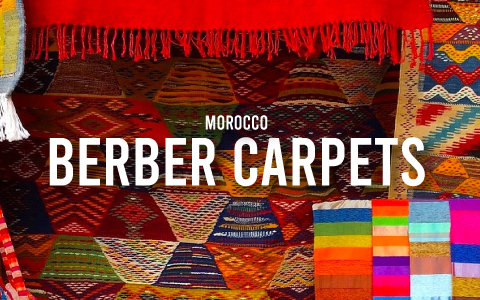
Unlike some Moroccan carpets that favor softer neutrals, Taznakht rugs are celebrated for their warm, bold tones. Deep saffron yellows, fiery oranges, burnt reds, earthy browns, and vibrant greens dominate their surfaces.
Traditionally, these colors were derived from natural dyes—henna for red, pomegranate peels for yellow, indigo for blue, and various local plants for different shades. Even when synthetic dyes are used today, the color choices still pay homage to the region’s dramatic natural hues: the golden sand, the terracotta mountains, the shimmering desert sunsets.
2. Three Techniques: Kilim, Glaoui, and Knotted Pile
Taznakht weavers employ a unique combination of weaving methods:
- Kilim (flatweave): Lightweight, reversible, and precise, kilim sections allow for clean geometric designs.
- Glaoui (mixed technique): Rare and highly prized, the Glaoui style incorporates three simultaneous techniques—flatweave, knots, and embroidery—resulting in a richly layered texture.
- Knotted pile: Plush and durable, this technique creates raised surfaces, giving depth and tactile warmth.
Many Taznakht carpets are a harmonious blend of these techniques, making them visually dynamic and texturally complex.
3. Symbolism in Taznakht Berber Carpets
Amazigh symbolism is encoded in each carpet. Common motifs include:
- Diamonds, representing protection and femininity
- Triangles, symbolizing fertility and growth
- Chevron patterns, reminiscent of mountains or flowing water
- Crosses and X-shapes, often tied to spirituality or navigation
Because weaving is traditionally women’s work, Taznakht rugs often express personal stories: marriage, motherhood, daily life, hopes, blessings, or memories. This intimate dimension gives each rug a sense of authenticity and soul.
4. Quality of Materials
Taznakht carpets are typically made from local sheep wool, known for its softness, durability, and insulating properties. High-quality rugs feel dense and heavy, with even knotting and consistent tension across the weave. Their longevity—often lasting decades with proper care—is one reason they are beloved worldwide.
Where to Buy Taznakht Carpets
For those enchanted by the allure of Taznakht carpets, Morocco offers numerous places to explore and purchase these woven gems.
The town of Taznakht itself hosts cooperatives where local women sell their work at fair prices. Buying from a cooperative ensures that artisans receive proper compensation and that the rug is truly handmade.
Ouarzazate, a larger city nearby, has reputable craft centers and markets featuring Taznakht pieces.
Marrakech, especially the souk of the Medina and specialized carpet shops in the Mellah and Gueliz districts, offers a wide selection. However, prices vary significantly, so bargaining and patience are essential.
When purchasing in Morocco, it is common and expected to negotiate. Sellers may begin with a high starting price, assuming buyers enjoy the dance of bargaining, which is part of the cultural experience.
Tips for Choosing the Perfect Taznakht Carpet
Selecting a Taznakht carpet is both a practical and emotional decision. Here are a few guidelines to make the right choice:
1. Examine the materials
Authentic Taznakht rugs are made of wool. Natural wool should feel slightly coarse yet warm, with a subtle lanolin scent. Avoid overly shiny fibers, which may indicate synthetic materials.
2. Check the back of the rug
A handmade carpet will show slight irregularities, asymmetrical knots, and variation in density—all signs of authenticity. Machine-made rugs appear too perfect.
3. Consider the technique
Glaoui carpets are the most intricate and often more expensive. Kilim styles are lighter and usually more affordable. Knotted pieces are ideal for areas requiring warmth and comfort.
4. Think about colors and patterns
Since Taznakht carpets are bold, choose one that complements your home’s palette. If your space is neutral, a vibrant Taznakht rug can become a stunning focal point.
5. Know your measurements
Moroccan carpets vary greatly in shape and size, but dimensions do not always follow standardized Western categories.
6. Buy what speaks to you
A Taznakht carpet isn’t just décor—it’s art. Choose one that resonates emotionally and stylistically. These rugs are meant to be lived with for many years, becoming part of the home’s story.
To bring a Taznakht berber carpet into your home is not only to acquire a beautiful object, but also to honor the hands, heritage, and history woven into every strand of wool.