The Charming Agadir, on Morocco’s Atlantic Coast
Morocco is a land where landscapes shift like scenes in an epic film, blending drama and serenity in equal measure. From the rugged Atlas Mountains to lush valleys dotted with palm groves, from waterfalls tucked between steep gorges to bustling ancient cities such as Marrakesh, Essaouira, or Casablanca. Among these, Agadir stands out as a modern coastal escape that contrasts with Morocco’s more traditional urban centers.
A Brief History of Agadir
Agadir’s story is one marked by reinvention. The city’s name is believed to derive from the Amazigh (Berber) term “Agadir n Irir,” meaning “fortified granary,” a nod to the agricultural structures common in the region.
Over the centuries, it evolved into an important port for trade between Morocco, Europe, and sub-Saharan Africa. Portuguese settlers established a presence here in the early 16th century, fortifying the coastline and leaving traces that still echo in local place names. However, the most defining moment in Agadir’s history occurred on February 29, 1960, when a catastrophic earthquake destroyed much of the city and claimed thousands of lives. Rather than rebuilding atop the ruins, Morocco chose to reconstruct the entire city slightly to the south, creating a modern layout with wide avenues, open spaces, and contemporary architecture.
Today, Agadir feels young, airy, and deliberately planned — a contrast to the winding medinas that characterize many Moroccan cities.
What to See in Agadir
The rebuilt city has grown into one of Morocco’s premier resort destinations, known for its beaches, golf courses, and relaxed coastal lifestyle.
Agadir Beach
The city’s crown jewel is its wide, gently curved stretch of soft golden sand washed by the Atlantic.
Just like Essaouira’s beaches, Agadir Beach is ideal for sunbathing, swimming, and long walks along the shore, especially at sunset when the sky turns shades of pink and amber. Its promenade, lined with cafés, restaurants, and palm trees, offers a breezy, laid-back atmosphere perfect for unwinding. Thanks to reliable sunshine year-round, the beach remains a draw in every season.
Agadir Oufella (Kasbah)
Perched on a hill overlooking the city, the Agadir Oufella — often called simply “the Kasbah” — is one of the few pre-earthquake remnants still standing.
Built in the mid-16th century, the fortress once protected the port and its residents. While the inside was largely destroyed by the earthquake, the outer stone walls and Arabic inscription (“Fear God and honor the King”) survived and still greet visitors at the entrance. The panoramic view from the top is spectacular, taking in the coastline, the marina, and the ever-expanding cityscape.
Agadir Marina
Down at sea level, the Marina offers a modern and elegant contrast to the historic Kasbah. With its blend of whitewashed buildings, stylish boutiques, and yacht-lined docks, it feels almost Mediterranean in character. The Marina is a great place for leisurely strolls, people-watching, shopping, or grabbing a drink while enjoying the ocean breeze.
Souk El Had
While Agadir may not have a traditional medina like Marrakesh, it compensates with Souk El Had, the city’s massive market where around 6,000 stalls sell everything from spices and fresh produce to leather goods, ceramics, carpets, and traditional clothing.
Enclosed by pinkish walls with numbered gates, the souk is organized and easy to navigate, making it accessible even for visitors intimidated by more chaotic Moroccan markets. It’s an excellent place to shop for souvenirs or simply absorb local life.
The Valley of the Birds
Right in the heart of the city, the Valley of the Birds (Vallée des Oiseaux) is a charming family-friendly park that stretches between the center and the seafront.
Home to various species of birds, small mammals, and landscaped gardens, it provides a refreshing green space amid the city’s wide avenues. It’s a peaceful spot for a break from the beach or the markets.
The Amazigh Heritage Museum
For visitors eager to learn more about the culture and traditions of the Amazigh people — the indigenous inhabitants of Morocco — the Amazigh Heritage Museum is a must. Its collection includes jewelry, pottery, tools, and textiles that highlight the craftsmanship and symbolic expressions of the region’s Amazigh communities. It’s a small but highly informative museum that adds cultural depth to a stay in Agadir.
Activities to Enjoy in Agadir
Beyond sightseeing, Agadir offers a variety of activities that make the most of its natural surroundings and laid-back vibe.
Watersports and Golf in Agadir
Surfing, bodyboarding, windsurfing, and jet skiing are all popular thanks to consistent Atlantic swells and warm weather. Nearby beaches like Taghazout and Tamraght have gained international recognition among surfers and host a growing number of surf camps.
Golfers will find several well-maintained courses in and around the city, designed to take advantage of Agadir’s mild climate and open landscapes.
Outdoors Activities
For outdoor enthusiasts, hiking opportunities abound in the foothills of the Anti-Atlas Mountains, where Berber villages offer glimpses into traditional rural life and argan trees grow in abundance. Speaking of argan, many visitors enjoy tours of cooperatives that produce argan oil, learning about the traditional extraction process and the economic role it plays for local women.
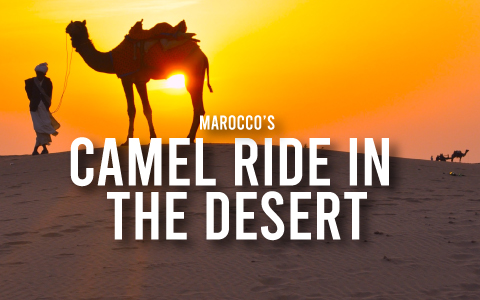
Camel rides and horseback excursions along the beach at sunset provide a classic, romantic experience for travelers, while wellness lovers can indulge in hammams, spas, and yoga sessions offered by various resorts and retreats. For a cultural evening, some venues in Agadir host performances featuring Amazigh music and dances, offering a vibrant taste of regional heritage.
How to Reach Agadir from Marrakech and Essaouira
Agadir is well-connected to other Moroccan cities, making it easy to include in a broader itinerary.
Traveling from Marrakech is straightforward. By road, the journey takes about three hours via the A3 highway, a modern and well-maintained route that cuts through the foothills of the Atlas and offers a smooth ride.
From Essaouira, reaching Agadir involves a slightly longer but scenic drive along the coastal road. The trip takes roughly three to four hours, depending on traffic and route.
Whether arriving from Marrakech or Essaouira, the journey to Agadir is part of the adventure.