Marpissa: a Different Side of Paros
Paros has long been one of the most sought-after destinations in the Cyclades, attracting travellers with its whitewashed villages, beautiful beaches and unmistakable Aegean charm. Yet beyond lively harbour towns and celebrated coastline lies another side of the island, where traditional architecture, local heritage and a slower pace of life create an altogether different atmosphere. Among the places that best capture this quieter character is Marpissa, a picturesque village on the eastern side of the island. Set against a gentle hillside and surrounded by the landscapes of rural Paros, it offers an appealing contrast to the more cosmopolitan atmosphere of Naoussa and Parikia.
The Timeless Character of Marpissa
Marpissa occupies a hillside overlooking the southeastern part of Paros. Its traditional layout reflects the architectural principles of the Cyclades, where compact settlements developed in harmony with the natural landscape and the local climate.
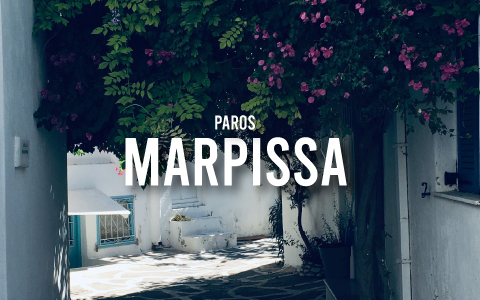
Whitewashed façades, wooden shutters, colourful doorways and intimate courtyards define the village’s appearance. As you explore its pedestrian streets, unexpected corners reveal small architectural details and charming views that are best appreciated without a particular destination in mind.
Unlike some of the island’s more developed holiday destinations, Marpissa has retained its character as a residential community. Everyday life continues around its cafés, traditional shops and family-owned tavernas, offering visitors a glimpse of the island’s local culture.
The village is particularly appealing to those who appreciate destinations with a strong sense of place. Rather than presenting a carefully designed tourist environment, Marpissa reveals its charm through its history, architecture and connection with the surrounding community.
What to Do in Marpissa
Wander Through the Traditional Village
The village narrow lanes invite visitors to slow down and appreciate the details that make traditional Cycladic settlements so distinctive.
Whitewashed houses stand close together, while small courtyards, flowering balconies and colourful entrances create an ever-changing sequence of picturesque views. The absence of busy traffic in the historic centre adds to the peaceful atmosphere.
Photography enthusiasts will find plenty of inspiration here, particularly during the early morning and late afternoon, when the sunlight brings out the textures of the buildings and the contrast between white architecture and the deep blue sky.
Rather than following a strict sightseeing itinerary, allow yourself time to explore the smaller streets and discover the village at your own pace.
Admire the Four Traditional Windmills
Just like on Mykonos, one of Marpissa’s most recognisable landmarks is a group of four traditional windmills standing together in a village square.
These structures offer a reminder of the island’s agricultural heritage and the importance of wind power in traditional Cycladic communities. In the past, windmills played an essential role in processing grain for local households.
Today, they remain an attractive feature of the village landscape and provide an interesting starting point for exploring the surrounding historic streets.
Visit Kefalos Hill and the Monastery of Agios Antonios
For some of the most memorable views in the area, head towards Kefalos Hill, which rises above Marpissa.
At the summit stands the Monastery of Agios Antonios, founded in 1597 and closely connected with the religious history of Paros. Its elevated position offers expansive views across the southeastern coastline and the Aegean Sea.
On clear days, the surrounding islands become part of an impressive panorama, making the journey particularly worthwhile for those who enjoy scenic walks and photography.
The hill also has historical significance. It was once the location of a Venetian castle associated with the Sommaripa family, which was destroyed in 1537 during Barbarossa’s campaign in the Cyclades.
The ascent can be challenging during the summer months, so comfortable footwear, water and an early start are recommended. Visitors should also check the monastery’s opening arrangements before planning their visit.
Explore the Nikos Perantinos Sculpture Museum
Marpissa’s cultural appeal extends beyond its historic architecture. The village is also home to a museum dedicated to Nikos Perantinos, a Greek sculptor born on Paros in 1910.
The collection offers an introduction to his artistic career and provides an opportunity to discover an important figure in modern Greek sculpture.
The museum’s location is particularly meaningful given the island’s longstanding relationship with marble craftsmanship. Parian marble has been renowned since antiquity for its exceptional quality and was widely used by sculptors in the creation of celebrated works of Greek art.
For visitors interested in the island’s artistic heritage, this is a worthwhile addition to a cultural itinerary.
Discover the Village’s Churches and Chapels
Religious architecture is another defining element of Marpissa’s identity.
The Church of Metamorphosis, dedicated to the Transfiguration, is among the village’s principal religious landmarks. Smaller churches and chapels can also be found throughout the surrounding streets.
One particularly notable example is the Chapel of Evangelismos, dedicated to the Annunciation, which is recognised for its traditional decoration and distinctive bell tower.
These religious buildings provide an insight into the Orthodox traditions that continue to influence local life. Where access is permitted, visitors may also admire religious icons and traditional decorative details.
As places of worship, they should always be approached with respect and appropriate attire.
Remember the History of Nikolaos Stellas
Marpissa also preserves important memories of Greece’s more recent past.
A memorial dedicated to Nikolaos Stellas commemorates the young Greek resistance fighter who was executed by German occupying forces on 22 May 1944, at the age of just 23.
The monument honours his contribution to the resistance movement during the Second World War and represents an important part of the village’s historical identity.
For travellers interested in understanding the events that shaped modern Greece, it offers a meaningful opportunity to look beyond the island’s more familiar historical attractions.
Experience Traditional Island Life at the Folklore Museum
A visit to the local folklore museum provides further insight into the customs and everyday experiences of previous generations on Paros.
Traditional household objects, historical artefacts and recreated domestic settings help illustrate how island residents once lived, worked and maintained their cultural traditions.
It is a particularly interesting stop for those who enjoy discovering the social history behind the places they visit, offering a different perspective on the architecture and lifestyle encountered throughout Marpissa.
Opening arrangements may vary, so it is advisable to check availability locally.
Experiences Around Marpissa
One of the advantages of visiting Marpissa is the opportunity to combine cultural exploration with some of the most enjoyable experiences in eastern Paros.
After spending time wandering through the village, take a break at a traditional café or settle down for lunch at a local taverna. Greek cuisine is an essential part of the island experience, with fresh seafood, seasonal vegetables, grilled specialities and traditional salads among the dishes worth discovering.
For those who prefer to explore beyond the village, the surrounding countryside offers opportunities for scenic walks. Nearby settlements such as Prodromos and Lefkes provide further opportunities to discover traditional Cycladic architecture and the quieter landscapes of the island.
The coastline is equally appealing. Logaras Beach is a wonderful choice for a relaxing swim, while Golden Beach is particularly popular with visitors interested in windsurfing and other water sports.
A visit to Piso Livadi is also highly recommended. This charming harbour is known for its relaxed seaside atmosphere and waterfront restaurants, making it an appealing destination for a long lunch or an evening by the water.
Throughout the year, local celebrations and religious festivities offer another way to experience the island’s cultural traditions. Travellers visiting around Easter or during the summer festival season may encounter processions, traditional performances and community events that reveal a more intimate side of Parian life.
Why Marpissa Deserves a Place on Your Paros Itinerary
While Paros is celebrated for its beaches, stylish restaurants and lively coastal destinations, its smaller villages reveal another dimension of the island.
Marpissa stands out for its understated charm and its ability to offer several different experiences within a relatively compact area. Its traditional streets and historic buildings appeal to architecture enthusiasts, while its museums and monuments provide a deeper understanding of the island’s cultural heritage.
The surrounding landscape also makes it attractive to travellers who enjoy walking, photography and discovering places away from the busiest tourist routes.
Perhaps its greatest appeal lies in its atmosphere. Marpissa has preserved much of the character that defines traditional Cycladic communities, allowing visitors to experience a more relaxed rhythm of island life.
For those seeking a holiday that combines beautiful surroundings with meaningful cultural discoveries, it is a destination well worth including in a stay on Paros.
How to Reach Marpissa
Marpissa is located in eastern Paros, approximately 17–19 kilometres from Parikia, the island’s main port. Its proximity to Piso Livadi and several popular beaches makes it an excellent stop during a day exploring this part of the island.
Travelling by car is generally the most convenient option. The drive from Parikia usually takes around 25–35 minutes, depending on traffic and the route chosen. Renting a car or scooter also provides greater flexibility for visiting nearby villages and beaches. Taxis are another possibility, although arranging the return journey in advance can be useful during busy periods.
Most ferry services arrive at Parikia, while visitors travelling by air can reach the island through Paros Airport. Flight connections depend on seasonal schedules.
Once in Marpissa, the historic centre is best explored on foot. Its narrow streets are not particularly suitable for vehicles, so visitors should leave their car in an appropriate parking area before beginning their walk.