The Best Snorkeling Spots in Ibiza
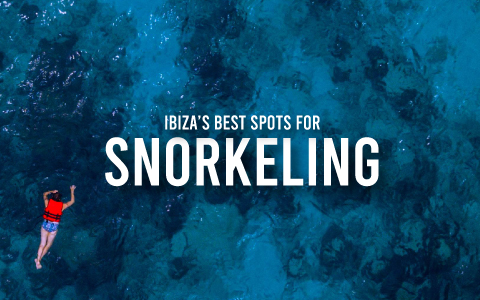
Known as the “White Isle” for its soft sandy beaches and whitewashed towns, Ibiza is far more than a party destination. You can wander through Dalt Vila, Ibiza Town’s historic old quarter, browse the hippie markets of Las Dalias or Punta Arabí, or relax in charming coastal towns like Santa Eulalia, San Josep, and Sant Antoni de Portmany. And for those who crave the sea, the island is a true aquatic playground, especially underwater. The rugged coastline and wide bays hide numerous spots for snorkeling in Ibiza.
Your Guide to the Best Places for snorkeling in Ibiza
1. Cala Xarraca – The Wild North
Tucked away in Ibiza’s northern region, Cala Xarraca is a paradise for those seeking both beauty and adventure. The bay is small and unspoiled, surrounded by pine-covered cliffs and rocky outcrops that plunge into crystalline waters.
The sea here is incredibly clear, offering visibility up to 30 meters on calm days. You’ll find a diverse underwater landscape of seagrass meadows, rocky reefs, and small caves inhabited by wrasses, sea bream, and the occasional moray eel. Near the rocks on the right-hand side of the bay, you can often spot starfish and colorful nudibranchs clinging to the stones.
There’s even a natural mud bath nearby, known among locals for its supposed skin benefits. So, Cala Xarraca is not just a snorkeling spot but also a mini wellness retreat in nature.
If you decide to explore this beach, remember to bring reef shoes, as the entry is rocky, and arrive early to secure a quiet corner of the bay.
2. Cala d’en Serra – A Hidden Gem Near Portinatx
A short drive from the village of Portinatx, Cala d’en Serra is a small horseshoe-shaped cove surrounded by dramatic cliffs. It remains relatively secluded compared to Ibiza’s more famous beaches, and its calm, shallow waters make it ideal for beginners and families.
Beneath the surface, the underwater scenery is mesmerizing: patches of seagrass, sandy bottoms, and clusters of rocks that attract small fish, crabs, and sea cucumbers. Toward the outer edge of the bay the rocks deepen into a vertical drop. This is a great spot to observe larger marine life and schools of silver fish gliding in the blue.
The access road is a bit bumpy and narrow, but manageable with care. There’s also a small chiringuito (beach bar) where you can relax after your swim.
3. Cala Conta (Cala Comte) – The Island’s Turquoise Showpiece
Famous for its stunning turquoise waters and spectacular sunsets, Cala Conta (Cala Comte or Platges de Comte) is also a top snorkeling location. Located on the island’s western coast, near San Antonio, the area consists of several small coves and islets surrounded by shallow reefs and underwater rock formations.
Snorkelers can explore both Cala Conta’s main beach and the smaller coves nearby, where the clear, calm waters reveal a world of marine biodiversity. The rocky seabed is home to sea urchins, parrotfish, and damselfish, while the patches of Posidonia oceanica, a protected seagrass species, provide oxygen and shelter for numerous marine creatures.
As the sun begins to set, the water glows with golden light, creating one of the most magical snorkeling experiences on the island. However, Cala Conta can get very crowded in summer—come early or visit on a weekday.
4. Cala Salada and Cala Saladeta – Twin Beaches of Serenity
Located just a few kilometers from San Antonio, Cala Salada and its smaller sister Cala Saladeta are famous for their natural beauty and transparent waters. Separated by a rocky headland, these two coves are surrounded by pine forests and red cliffs that make for a stunning backdrop.
Snorkeling here is ideal thanks to the calm, shallow waters and the abundance of rock formations. The area between the two coves is particularly interesting: underwater ledges and crevices shelter small octopuses and bright red starfish, while schools of tiny fish shimmer in the sunlight above. If you swim farther out toward the deeper areas, you might even spot barracuda or cuttlefish gliding gracefully through the open water.
Bonus experience: Pack a picnic and enjoy the late afternoon here — the colors of the sea are most vivid as the sun dips low.
5. Es Pou des Lleó – Tradition Meets Tranquility
A favorite among locals, Es Pou des Lleó lies on Ibiza’s northeastern coast, close to San Carlos. This beach, framed by fishermen’s huts and low cliffs, retains a traditional, rustic charm.
The snorkeling here is outstanding, especially near the rocky edges and along the Cala Boix headland. The seabed alternates between sandy areas and patches of Posidonia seagrass, providing a habitat for sea bream, blennies, and the occasional ray resting on the sand. For the adventurous, a swim eastward leads to hidden caves and small inlets carved into the cliffs.
The nearby Las Dalias market makes a great post-snorkel stop for handmade crafts, jewelry, and organic snacks.
6. Atlantis (Sa Pedrera de Cala d’Hort) – A Mystical Dive
Perhaps the most unique snorkeling experience in Ibiza awaits at Atlantis, the mythical site near Cala d’Hort. Officially known as Sa Pedrera, this rocky area was once a quarry that supplied stone for the island’s fortifications. Over time, local artists carved mysterious sculptures and symbols into the rocks, giving the place an almost spiritual aura.
While reaching Atlantis requires a steep hike down from the cliffs above, the effort is well rewarded. Beneath the surface, the waters are incredibly clear, and the underwater rock formations create natural sculptures and tunnels filled with marine life.
Just remember that this spot is recommended for strong swimmers and experienced snorkelers, as currents can be tricky and the return hike is challenging. Bring plenty of water and good footwear.
7. Cala Tarida – Easy Access, Big Rewards
If you’re looking for a more accessible snorkeling spot with great amenities, Cala Tarida, on the island’s southwest coast, is perfect. Its long stretch of soft sand and gentle waters make it ideal for families, but it also hides an impressive underwater landscape.
Head to the northern and southern ends of the beach, where rocky platforms descend into deeper water. There, you can spot colorful fish, sponges, and coral-like formations. The visibility is excellent, especially in the morning before the sea gets busy with boats and paddleboards.
After your swim, enjoy lunch at one of the beachfront restaurants, many of which serve freshly caught fish and local dishes with a view of the sea.
Tips for Snorkeling in Ibiza
- Best time to go: From May to October, when the water temperature ranges between 22–28°C (72–82°F) and visibility is at its best.
- Equipment: Bring your own mask and snorkel, or rent from local dive shops. Fins are useful for stronger currents or exploring deeper areas.
- Safety first: Always check the weather and sea conditions before entering the water. Avoid snorkeling alone or far from shore.
- Respect marine life: Ibiza’s underwater world is fragile. Avoid touching corals or disturbing animals, and never remove shells or sea creatures.
- Protect the Posidonia: This seagrass is vital for the island’s ecosystem. Swim over sandy areas to avoid damaging it with fins.