The Medieval Charm of Peratallada, Costa Brava
The northeastern coast of Spain is home to one of the most captivating stretches of coastline in the Mediterranean. The Costa Brava is popular for its rugged cliffs, hidden coves, pine-fringed beaches, and crystal-clear waters. For these reasons it has long been a favorite destination for travelers seeking both natural beauty and cultural richness. Alongside well-known towns such as Tossa de Mar, Cadaqués or Begur, the region also hides inland treasures that seem frozen in time. Among them, few are as enchanting as Peratallada, widely regarded as one of the best-preserved medieval villages in all of Spain.
A Brief History of Peratallada
The origins of Peratallada date back to the early Middle Ages, when it developed as a fortified settlement under feudal rule. Its name itself is deeply symbolic: “Peratallada” comes from the Catalan phrase meaning “carved stone,” a reference to the impressive rock-cut defenses that surround and support the village. The town was historically centered around a powerful castle, which controlled the surrounding agricultural lands and served as a strategic stronghold in the region.
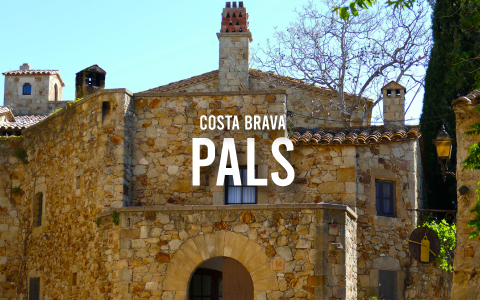
During the medieval period, Peratallada flourished under local nobility, becoming an important administrative and military center. Its defensive walls, moat carved directly into the rock, and labyrinthine streets reflect the need for protection in a turbulent era marked by territorial conflicts and shifting allegiances. Unlike many other medieval towns, Peratallada has remained remarkably intact over the centuries, largely preserving its original layout and architectural features.
Today, the village is protected as a cultural heritage site, ensuring that its stone buildings, arches, and towers remain untouched by modern development. Walking through its narrow lanes feels like stepping into a living museum, where every corner tells a story of medieval Catalonia.
What to See in Peratallada
While the Costa Brava often draws visitors for its beaches and coastal glamour, it is these inland stone villages that reveal the region’s deeper historical soul. Winding away from the sea, you can discover a landscape dotted with fortified hamlets where medieval life still seems present in every cobblestone. Peratallada is an example of this heritage, offering an immersive journey into Catalonia’s feudal past.
The Castle of Peratallada
At the heart of Peratallada lies its most iconic landmark: the medieval castle. Once the residence of local feudal lords, the castle is a powerful reminder of the village’s strategic importance.
Although parts of it are privately owned and not fully accessible, its imposing exterior, towers, and defensive structures still dominate the skyline. The fortress walls blend seamlessly into the natural rock, showcasing the ingenious medieval technique of integrating architecture with the landscape.
The Ancient Walls and Moat
One of the most fascinating features of the town is its ancient defensive system. The village is encircled by thick stone walls and a deep moat carved directly into the sandstone. This moat, one of the most impressive in Catalonia, was once filled with water to deter invaders. Today, it is dry but still clearly visible, allowing visitors to appreciate the engineering skill of medieval builders. Walking along the perimeter offers a unique perspective on how the village was designed for both defense and survival.
The Old Town Streets
Perhaps the most enchanting experience in Peratallada is simply wandering through its old town. The narrow cobbled streets, irregular stone archways, and ivy-covered façades create an atmosphere that feels unchanged for centuries. Cars are absent, preserving the quiet and authenticity of the village. Every turn reveals small details, such as carved doorways or hidden courtyards, that contribute to its charm. The layout is intentionally labyrinthine, a common feature in medieval settlements designed to confuse potential intruders.
Plaça de les Voltes
The central square, known as Plaça de les Voltes, is the social heart of Peratallada. Surrounded by stone arcades, it is one of the most picturesque spots in the village. Historically, it was the marketplace where merchants and farmers gathered to trade goods. Today, you find cafés and restaurants, making it an ideal place to relax and soak in the medieval atmosphere. The shaded arches provide a cool retreat during the warm Catalan afternoons, while the surrounding architecture offers a perfect backdrop for photography.
Church of Sant Esteve
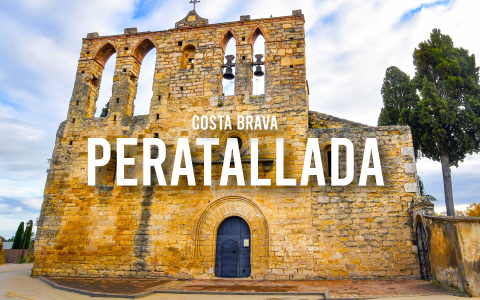
Another important landmark is the Church of Sant Esteve, a Romanesque structure that dates back to the 13th century. Though relatively modest in size, its historical significance is considerable. The church reflects the religious life of the medieval community and features simple yet elegant stonework typical of the Romanesque style. Inside, the quiet and austere interior contrasts with the bustling charm of the village outside, offering a moment of reflection and calm.
Artisan Shops and Local Cuisine
Beyond its historical monuments, Peratallada is also popular for its artisanal spirit. Small shops selling handmade crafts, ceramics, and local products line the streets, adding vibrancy to the ancient setting.
The village is also a culinary destination, with several restaurants offering traditional Catalan cuisine. Dining in Peratallada often means enjoying locally sourced ingredients, rustic dishes, tapas, and fine regional wines—all within centuries-old stone buildings.
How to Reach Peratallada
Reaching Peratallada is relatively straightforward, especially from major cities in Catalonia.
The nearest urban center is Girona, located about 40 minutes away by car. The journey passes through scenic countryside filled with rolling fields, forests, and small traditional villages.
From the regional capital Barcelona, Peratallada is approximately a two-hour drive. The drive itself is part of the experience, offering views of the Costa Brava hinterland and allowing travelers to explore other nearby medieval towns along the way.
Many visitors choose to combine a trip to Peratallada with visits to coastal destinations such as Begur or Calella de Palafrugell, creating a balanced itinerary that blends seaside relaxation with cultural exploration.
Why Visit Peratallada
Unlike more commercialized tourist destinations, Peratallada maintains a quiet, authentic atmosphere that allows visitors to truly connect with history. Its charm lies not in grand monuments or modern attractions, but in the harmony of its stone architecture, its peaceful streets, and its timeless character.
Peratallada is particularly appealing to those seeking a break from crowded coastal resorts, offering instead a serene and contemplative environment. Photographers will find endless inspiration in its textures and light, while couples often visit for its romantic ambiance. History enthusiasts will appreciate its well-preserved medieval structure, and food lovers will enjoy its traditional Catalan cuisine served in atmospheric settings.
Families can also enjoy the village, as its compact size makes it easy to explore on foot without long walks or difficult terrain. However, it is especially suited for travelers who value authenticity over entertainment, and who are willing to take time to absorb the subtle beauty of a place that has changed little over the centuries.