The Best Places for Scuba Diving on the Costa Brava, Spain
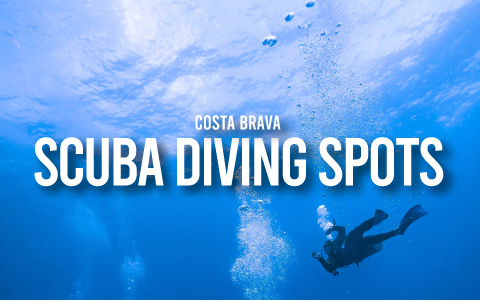
The Costa Brava is one of Spain’s most captivating coastal regions, stretching along the Mediterranean from Blanes in the south to Portbou near the French border. Famous for its charming fishing villages, whitewashed seaside towns and spectacular beaches and coves, the area combines natural beauty with a lively holiday atmosphere. Yet the Costa Brava is much more than a beach destination: hiking, kayaking, sailing, cycling, boat trips and, above all, scuba diving make it an outstanding choice for an active holiday. Beneath the surface, divers find rocky walls, underwater caves, seagrass meadows, colourful gorgonians, shipwrecks and an impressive variety of Mediterranean marine life. The region is considered one of the Mediterranean’s leading diving destinations, with dozens of professional diving centres operating along the coast.
The Best Places for Scuba Diving on the Costa Brava
From protected marine reserves to sheltered coves and spectacular offshore reefs, the Costa Brava offers dive sites for a wide range of experience levels. Some locations are particularly famous for their abundant marine life, while others are ideal for underwater photography, wreck diving or exploring caves and walls.
The Medes Islands: The Costa Brava’s Diving Highlight
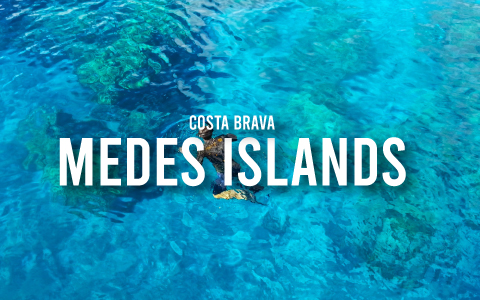
For many divers, the Medes Islands (Illes Medes) are the undisputed highlight of the Costa Brava. Located just off L’Estartit, this small archipelago is part of the Montgrí, Medes Islands and Baix Ter Natural Park and is one of the most important protected marine areas in the western Mediterranean. Protection has helped create remarkably rich underwater ecosystems, where large groupers, schools of bream, moray eels, lobsters and other species can be seen among forests of gorgonians and Posidonia seagrass.
The Medes Islands are also famous for spectacular underwater topography. Sites such as La Vaca, Dofí, Cavall Bernat and Pota de Llop feature walls, tunnels, caves and rocky formations covered in marine life. Depths vary considerably, meaning experienced divers can explore deeper sites while less experienced divers can choose shallower routes with professional guides.
It is important to remember that diving in the protected area is regulated. Specific authorisation is required for diving in the strictly protected marine reserve, and operators must follow rules designed to protect the seabed and marine life.
Cala d’Aiguablava, Begur and Fornells
Few places combine beautiful scenery and excellent diving as effectively as Cala d’Aiguablava near Begur. Famous for its turquoise water, fine sand and pine-covered cliffs, the sheltered bay is one of the Costa Brava’s most attractive beaches. Underwater, divers can discover rocky formations, Posidonia meadows, coral communities and gorgonian-covered walls.
Aiguablava is particularly interesting for beginners because local diving centres offer introductory dives and courses. There is also an unusual archaeological diving experience, allowing visitors to explore the remains of a wreck in the cove. More experienced divers can venture farther offshore towards sites around the Formigues Islands, Furió Fitó and the underwater mountains of the Begur area.
The area is also a good base for combining diving with a traditional Costa Brava holiday. After a morning underwater, visitors can explore Begur’s historic centre, walk around the old streets beneath its medieval castle or continue towards the small coastal settlement of Fornells.
Tamariu, Llafranc and the Ullastres
The stretch of coast around Tamariu, Llafranc and Calella de Palafrugell is another excellent choice, particularly for divers who enjoy rocky underwater landscapes. Among the best-known sites are the Ullastres, three underwater mountains located offshore from Llafranc. Their walls descend through different depth ranges and are covered with gorgonians and marine life, making them especially rewarding for underwater photographers and experienced recreational divers.
The Tamariu Canyons offer a different experience. Here, divers follow rocky channels and narrow underwater corridors decorated with gorgonians and coral. Groupers, moray eels, lobsters, barracuda and numerous smaller Mediterranean species can be encountered. Some routes are relatively shallow and suitable for less experienced divers, while deeper sections appeal to more advanced divers.
The surrounding towns are also among the most picturesque on the Costa Brava, making this a particularly good destination for travellers who want to combine diving with beaches, gastronomy and coastal walks.
Palamós and the Formigues Islands
Palamós is one of the Costa Brava’s most convenient diving bases. The lively fishing town has a working harbour, numerous restaurants and diving centres, while several famous dive sites are accessible by boat. The Formigues Islands and Llosa de Palamós are among the highlights, offering rocky formations and rich marine habitats.
Palamós is particularly famous for the Boreas wreck, one of the best-known wreck dives in Catalonia. The vessel was intentionally sunk in 1989 and now functions as an artificial reef. It lies between approximately 20 and 32 metres, with abundant marine life including conger eels, sea bream and sea bass. Because of its depth, the wreck is best suited to appropriately certified and experienced divers.
Cap de Creus: Wild Landscapes Above and Below Water
Further north, the Cap de Creus Natural Park offers some of the most dramatic diving on the entire coast. The landscape above water is famously rugged, with cliffs, secluded coves and wind-sculpted rocks, and the underwater environment continues this theme with steep walls, caves, rocky seabeds and exceptionally rich marine habitats.
Sites around Cala Montjoi and Cala Jòncols are particularly popular, with divers encountering gorgonian walls, lobsters, moray eels and conger eels.
Because Cap de Creus is a protected natural area, marine activities are regulated. Current park regulations allow diving in much of the marine area but establish specific restrictions and conservation measures, so divers should always check the latest rules before entering the water.
When Is the Best Time to Dive in the Costa Brava?
The main diving season runs through the warmer months, when sea conditions and air temperatures are particularly pleasant. However, diving is possible outside the peak summer season, and choosing the right period depends on the type of experience you want.
Summer is ideal for combining scuba diving with beach days, boat trips and nightlife, but popular sites can be busy. Spring and autumn can offer a quieter atmosphere and excellent underwater conditions. Water temperatures vary considerably during the year, so divers should choose their wetsuit according to the season and their personal tolerance.
Conditions can also change from one day to another. Wind, waves, visibility and currents may influence which dive site is selected, so it is advisable to follow the recommendations of local diving professionals rather than choosing a site based solely on a guidebook.
Practical Tips for Diving in the Costa Brava
The Costa Brava caters to beginners as well as experienced divers. Numerous centres offer introductory dives, certification courses, guided dives, equipment rental and boat excursions.
Divers should avoid touching corals, animals or plants, never collect marine life or archaeological objects, and maintain good buoyancy control to prevent accidental contact with the seabed.
For more challenging sites—including deep walls, caves and wrecks—divers should have the appropriate certification and experience.
What Else Can You Do on the Costa Brava?
One of the biggest advantages of choosing the Costa Brava for a diving holiday is the enormous variety of activities available when you are not underwater. The Camí de Ronda coastal paths connect many of the region’s beaches and villages and offer spectacular views over the Mediterranean. Hiking around Begur, Cap de Creus or the coves near Calella de Palafrugell is a great way to discover the coastline from another perspective.
Boat tours are another excellent option, particularly around the Medes Islands and the secluded coves of the northern Costa Brava. Kayaking, snorkelling, sailing and cycling are also popular, while nature lovers can explore the wetlands, dunes and countryside around the Montgrí and Baix Ter area.
Finally, there is plenty to enjoy on land: explore the medieval streets of Begur, visit the fishing ports of Palamós and L’Estartit, discover the artistic heritage of Cadaqués, or simply spend an evening enjoying fresh seafood and Catalan cuisine by the sea.