Talassemtane National Park and the Wild Rif Mountains in Morocco
Beyond Morocco’s historic imperial cities and bustling souks, the country unveils a remarkable variety of natural landscapes, from the vast golden dunes of the Sahara to the serene shores of Lake Takerkoust. In the northern reaches, nature takes on a different character, revealing a world of rugged mountains, lush forests, and breathtaking scenery. Just a short distance from Chefchaouen, the iconic blue-washed town nestled in the Rif Mountains, lies Talassemtane National Park, a captivating wilderness that stands out as one of Morocco’s most enchanting destinations for those seeking an authentic connection with nature.
The Rif Mountains and the Talassemtane National Park
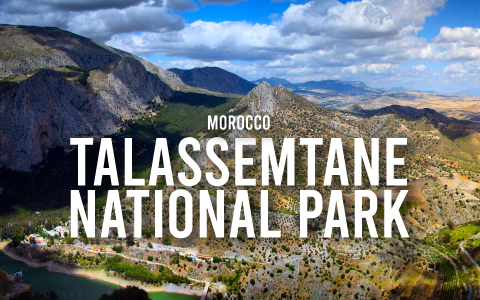
Established in 2004, Talassemtane National Park protects an important section of the western Rif mountain range in northern Morocco. The protected landscape encompasses rugged mountain terrain, forested valleys, limestone formations and waterways that support a remarkable variety of plant and animal life.
One of the park’s most distinctive features is its Moroccan fir forest. Among the most distinctive features of the Rif Mountains is the Moroccan fir (Abies marocana), a rare conifer found naturally in this region and a valuable part of its ecological heritage. The forests of Talassemtane National Park are also home to pine and cedar trees, together with a rich variety of Mediterranean plant life that changes according to elevation and environmental conditions. These diverse landscapes provide shelter for an abundance of wildlife, including numerous bird species and several mammals. One of the most remarkable inhabitants is the Barbary macaque, a primate native to North Africa that adds to the park’s exceptional biodiversity.
What to See in Talassemtane National Park
1. The Akchour Waterfalls
There are plenty of waterfalls in Morocco and the Akchour waterfalls are among the most popular natural attractions in the Talassemtane area. Located in a green valley crossed by mountain streams, they attract hikers who come to follow the water through rocky passages, wooded slopes and small natural pools.
Walking trails follow the river through changing scenery, with stretches of shaded vegetation alternating with exposed rocks and viewpoints. Smaller cascades appear along the way, while the main waterfall provides a spectacular reward for those undertaking the longer hike.
There are different walking options to explore the Akchour Waterfalls, depending on how much time you have and your fitness level.
2. God’s Bridge: A Remarkable Natural Arch
Another highlight near Akchour is God’s Bridge, known locally as Pont de Dieu. Rising over the Oued Farda, this remarkable rock formation is one of the most recognizable natural landmarks in the area.
Shaped over time by the erosion of limestone, the arch spans the gorge between two rocky outcrops. Looking up from the riverbed offers a particularly impressive view, with the water winding through the rugged terrain beneath it.
Getting there requires a walk along the valley, offering a different experience from the trail leading to the main waterfalls. Rather than focusing on cascades, this route highlights the area’s fascinating geology and the striking scenery created by the interaction of water and stone.
3. The Moroccan Fir Forests
The park’s forests are among its most valuable ecological features. Walking through wooded areas offers a quieter experience than visiting the popular attractions around Akchour. Sunlight filtering through the trees, refreshing shade and birdsong make this a lovely place for anyone who enjoys being surrounded by nature.
4. Mount Tissouka and Mount Kalaa
For those who love mountain landscapes, the summits of Tissouka and Kalaa are well worth exploring in the Talassemtane area. From these heights, hikers can enjoy sweeping panoramas of the Rif Mountains, with forest-covered valleys, rugged ridgelines and layers of peaks stretching into the distance. When the sky is clear, the diversity and vastness of the surrounding landscape are even more breathtaking.
Hiking in this area offers a more demanding alternative to the riverside paths around Akchour. Routes may involve sustained climbs, uneven ground and changes in weather, making preparation essential.
5. Azilane and the Mountain Villages
The countryside around Talassemtane includes small settlements such as Azilane, where traditional rural life remains closely connected to the surrounding mountains.
The villages scattered throughout the region offer a glimpse into traditional rural life and the ways people have learned to live in harmony with the mountainous landscape. Farming, raising livestock and making use of local resources remain important parts of everyday life. Fields carved into hillsides, cultivated terraces and modest homes reveal a long-standing connection between local communities and their natural surroundings.
Exploring the paths around these settlements also allows visitors to venture beyond the more popular routes and discover a quieter side of the park. Along the way, it is possible to see residents tending their land, caring for animals or carrying out daily tasks, especially along trails linking villages to nearby farmland and pastures.
6. The Oued Farda and Its Limestone Gorges
The Oued Farda winds its way through the Akchour area, carving out the striking landscape that gives this corner of the park its unique character. Over time, flowing water has carved passages into the limestone, producing narrow gorges, rocky walls and natural pools.
Exploring the river corridor reveals a different side of the Rif Mountains from the forested slopes. The exposed rock formations demonstrate the power of erosion, while the water supports vegetation in an otherwise rugged environment.
Why Visit Talassemtane National Park?
Talassemtane National Park is an excellent destination for those who like to explore on foot and spend time outdoors. Its trails cross a range of landscapes, following flowing rivers and climbing towards scenic mountain viewpoints. Along the way, visitors can also discover distinctive plant species that make the area especially appealing to nature lovers.
The experience goes beyond the natural scenery, offering a chance to discover the cultural heritage of northern Morocco. Nearby mountain villages preserve traditional ways of life, while the winding streets and historic character of Chefchaouen’s medina provide a glimpse into the region’s local traditions. Together, these experiences make a visit to the park an opportunity to enjoy both the outdoors and the area’s cultural richness.
How to Get to the Talassemtane National Park
Talassemtane National Park is located in the Tangier-Tetouan-Al Hoceima region. Chefchaouen is the most practical base for visiting the park, particularly if you plan to explore Akchour, God’s Bridge and the surrounding hiking routes.
If you are staying in Marrakech, the journey by road takes around eight hours or more, depending on traffic and the chosen route. From Essaouira reaching the park involves an even longer journey depending on the route. One practical option is to divide the trip over two days.
Akchour can usually be reached from Chefchaouen in around 30 to 45 minutes by car, although travel times may vary depending on traffic and your departure point. Since attractions across Talassemtane National Park are spread over a wide area, it’s worth planning your itinerary around the places you want to explore.
Before heading out, take a moment to check the weather forecast, make sure the trails are accessible and arrange your transport in advance. Roads through the mountains can be narrow and winding, while heavy rainfall may make hiking paths more challenging and slippery.